Repression and Human Rights Concerns: Human rights organizations such as Amnesty International and Human Rights Watch have documented multiple instances of extrajudicial killings, arbitrary detentions, and enforced disappearances of IPOB members. The heavy-handed military operations in the Southeast—code-named Operation Python Dance—have been linked to widespread abuses. Yet, these violations are often rationalized under the guise of combating “terrorism,” reinforcing the demonized image of IPOB members as violent insurgents rather than victims of state excesses.
Political Implications: The demonization of IPOB serves broader political purposes. By labeling the movement as extremist, the Nigerian government consolidates power around national security narratives and deflects attention from underlying governance failures. It also weakens legitimate calls for restructuring or equitable federalism, since any Igbo-based demand for autonomy is easily dismissed as “secessionist.” This tactic mirrors colonial-era strategies of delegitimizing indigenous dissent to preserve centralized authority.
Social and Psychological Effects: The stigmatization of IPOB has also polarized public opinion within Nigeria. Many non-Igbo Nigerians, exposed to the dominant anti-IPOB narrative, view the group with suspicion or hostility. Meanwhile, within Igboland, the demonization has deepened mistrust between citizens and the state. It has also radicalized some younger Igbo activists, who interpret the government’s hostility as confirmation that peaceful dialogue is impossible. Thus, the cycle of repression and resistance continues, sustained by propaganda on both sides.
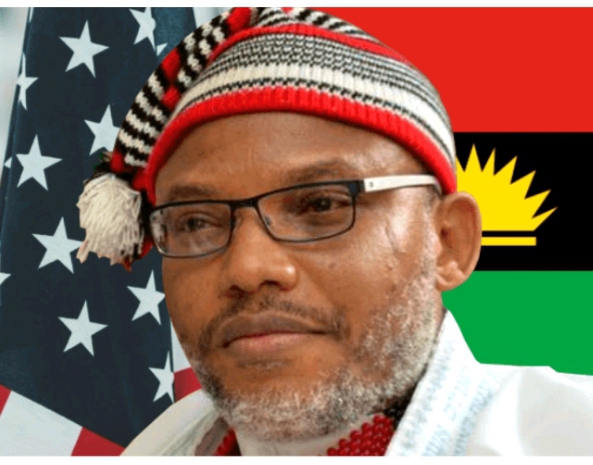
Enugu State Governments’ Involvement in Decapitating IPOB in Nigeria: The Indigenous People of Biafra (IPOB) emerged as a separatist movement advocating for the independence of the southeastern region of Nigeria. Since its resurgence under the leadership of Nnamdi Kanu, the movement has attracted both popular sympathy and severe state repression. While the federal government has taken the lead in proscribing IPOB and branding it a terrorist organization in 2017, Enugu state government and other state governments in the Southeast have also played significant roles in its decapitation, often under pressure from Abuja or in pursuit of political survival.
Enugu state and other state governments in the southeast aligned with the federal government’s hardline stance by supporting the proscription of IPOB within their jurisdictions. For instance, the South-East Governors’ Forum collectively endorsed the federal ban in September 2017, a move widely perceived as betrayal by pro-Biafra sympathizers. This alignment gave legitimacy to federal military operations, such as Operation Python Dance II, which targeted IPOB members.
Use of Security Forces
Enugu State governors both past and present have actively deployed local and joint security outfits to suppress IPOB activities. In several states—such as Imo, Abia, Ebonyi and Anambra—security agencies including the Ebubeagu Security Network and state police commands have been involved in raids, arrests, and intimidation of suspected IPOB members. These actions often occur under the pretext of combating insecurity but are perceived as part of a broader strategy to weaken the group’s grassroots influence.
Political Motives and Self-Preservation: Governors in the Southeast operate within a delicate balance: while they are expected to protect regional interests, they also depend on federal goodwill for political relevance and resource allocation. Consequently, most governors have distanced themselves from IPOB to avoid confrontation with the federal government. This political imbecilism has made them complicit in policies that decapitate IPOB’s organizational structure. Enugu State government has also contributed to framing IPOB as violent extremists, using local media and political rhetoric to shape public opinion. By linking IPOB’s activities to criminality and insecurity, they justify repressive actions while discouraging public sympathy for the group’s cause.
Undermining IPOB’s Civil Support Base: Enugu state joined other state governors in the southeast of Nigeria to ban IPOB-related rallies, cultural events, and “sit-at-home” activities. In states like Enugu and Abia,etc traditional rulers and local leaders have been warned against associating with IPOB sympathizers. This has weakened the organization’s ability to mobilize openly or sustain a visible presence in communities. With the high level of suppression, it is obvious that the government in Enugu State is paving way for the complete fulanization of Enugu state and the entire south east region.
Conclusion: The role of Enugu state governments in decapitating IPOB reflects a complex interplay of federal pressure, political expediency, and regional insecurity. While they justify their actions as necessary for peace and stability, critics argue that this approach deepens alienation and fails to address the underlying grievances driving the pro-Biafra sentiment. The suppression of IPOB by state actors thus symbolizes the broader crisis of legitimacy and trust between the Nigerian state and its southeastern citizens.The demonization of IPOB reveals a fundamental weakness in Nigeria’s democratic culture—its inability to accommodate dissent and address structural inequalities. Rather than criminalizing self-determination movements, the government should engage them through dialogue and political reform. Demonizing IPOB not only silences legitimate grievances but also fuels resentment and instability in an already fragile federation. A sustainable solution lies not in repression, but in justice, inclusivity, and the recognition of historical wounds that continue to shape Nigeria’s unity.
* Kosisochukwu Nwigwe is
is a freedom fighter and a political activist.





0 Comments
No Comments Yet!
You can be first to comment this post!